
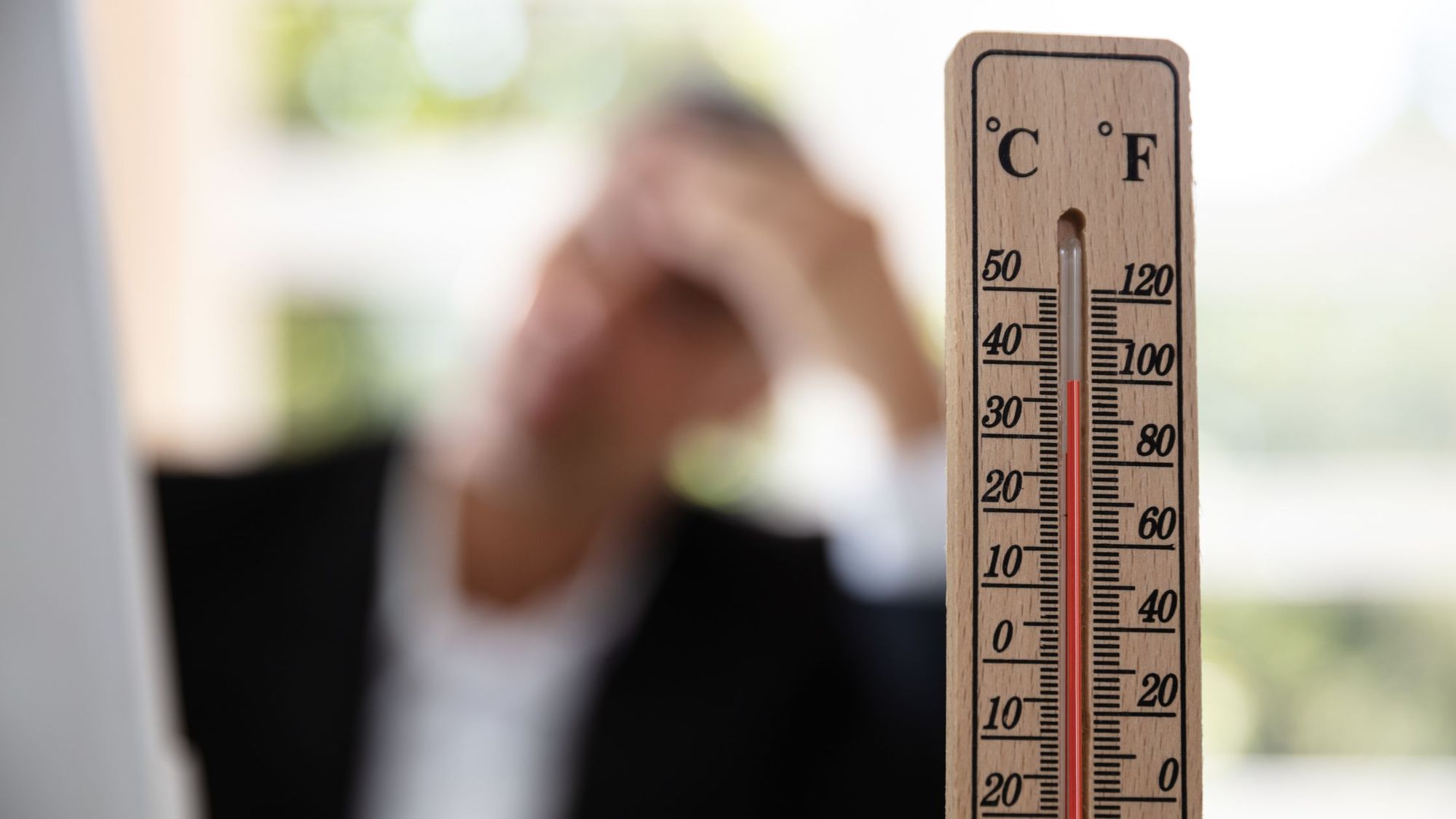

- Heat Exhaustion: Heat exhaustion occurs when the body's core temperature rises, and it struggles to cool down. Symptoms include heavy sweating, weakness, dizziness, headache, and nausea. Be wary of this when you’re exercising outdoors. Outdoor workouts have their benefits, but overdoing it can be risky, and even fatal.
- Heatstroke: Heatstroke is a life-threatening condition where the body's internal temperature rises to dangerous levels, usually 40°C or higher. It is a medical emergency and requires immediate attention. Symptoms include confusion, loss of consciousness, seizures, and hot, dry skin.
- Dehydration: One repercussion of the body’s loss of cooling capabilities is that the body loses fluids rapidly through sweat, leading to dehydration. Severe dehydration can be dangerous and may require medical intervention.
- Respiratory Stress: High humidity can worsen respiratory conditions such as asthma, as it affects the airway passages and makes breathing more difficult.
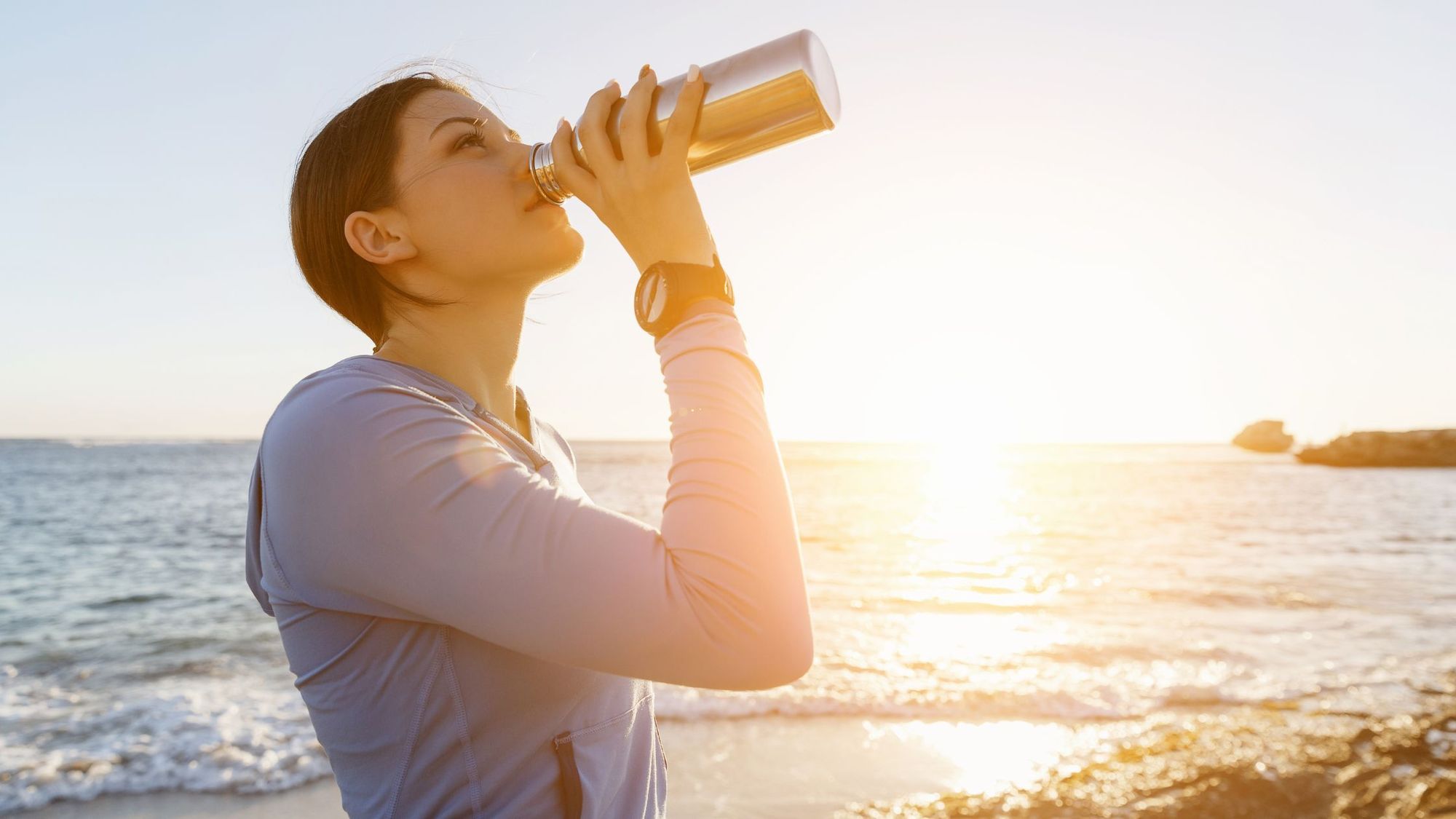
- Stay Hydrated: Drink plenty of water throughout the day to stay hydrated and replenish fluids lost through sweat. This is especially important if you’re engaged in physical activities.
- Bring a Fan: Waving a fan or keeping an electrical one wherever you go can help your sweat evaporate faster to cool you off as you make your commute or travel, which especially helps in high humidity to keep excessive moisture away.
- Seek Shade and Cool Environments: Avoid direct sunlight and spend time in shaded or air-conditioned areas to lower your risk of heat-related illnesses.
- Limit Outdoor Activities: Minimize physical exertion and outdoor activities during the hottest parts of the day, typically between 10 a.m. and 4 p.m.
- Wear Lightweight Clothing: Choose light-colored, loose-fitting clothing made of breathable fabrics to stay cool.
- Check on Vulnerable Individuals: Regularly check on elderly individuals, young children, and those with pre-existing health conditions, as they are more susceptible to heat-related illnesses.
- Follow Local Advisories: Stay informed about weather advisories and heat warnings issued by local authorities, because WBTs can vary based on where you live. Don’t take heat advisories lightly and do take appropriate precautions.
Join the Discussion
Have questions or insights to share?
Our community of health professionals and wellness enthusiasts are here to help. Share your thoughts below!